For Kay, who asked the questions,
and for Leo, who will read the answers.
❦
The Doyle Family
Core Volume · Margaret Ellen Doyle
What we carry, we carried from someone.
Generation 3 · First edition, 2026
A sample volume
Start a familyFor Kay, who asked the questions,
and for Leo, who will read the answers.
What we carry, we carried from someone.
The front of the book: a dedication in your words, and the family's title page.
For Kay, who asked the questions,
and for Leo, who will read the answers.
What we carry, we carried from someone.
Contents that find every person, then a chapter for each of them, opening with who they were.
She was the one who stayed. Of seven children raised in the house on Ardmore Road, Margaret was the only one still living within sight of it at eighty, and she could name who had lived in every house on the street and what had become of them. She kept the good coat, the recipe cards and the family's arguments, and she never threw a letter away.
She did not think of herself as the keeper of anything. Asked, she would say she simply had a long memory and nowhere better to put it.
— Kay ReedTheir own words come first, set apart from everyone else's, with a code that plays a voice memo when one was kept. Where relatives remember it differently, the book says so.
My father kept the good coat on a nail by the door and it hung there twenty years. He wore it to two weddings and every funeral. When he died my mother gave it to the church, and I went down on the Monday and bought it back for four shillings, and I never told her.
People ask what it was like, the house. It was loud. There was always somebody arriving. You did your homework on the stairs because every chair had a person in it, and nobody minded, because that was how you knew you were home.
She was born in the back bedroom in 1931, the fourth of seven, and the only one of them who stayed. The road was not paved until she was nine, and she remembered the morning the men came with the tar because her mother made them all stand on the step and watch, as though it were a parade.
The fire was in the winter of 1944. It started in the scullery and it took the back of the house as far as the stairs. Nobody was hurt. What Margaret remembered was her father carrying the photographs out in a drawer, the whole drawer, and setting it down in the snow.1
They were back inside by Easter. The new kitchen was never as warm as the old one, and for the rest of her life she kept her own photographs in a drawer near the door.
— Kay Reed, 2025Photographs are placed at the size they will print well, with the people in them named.
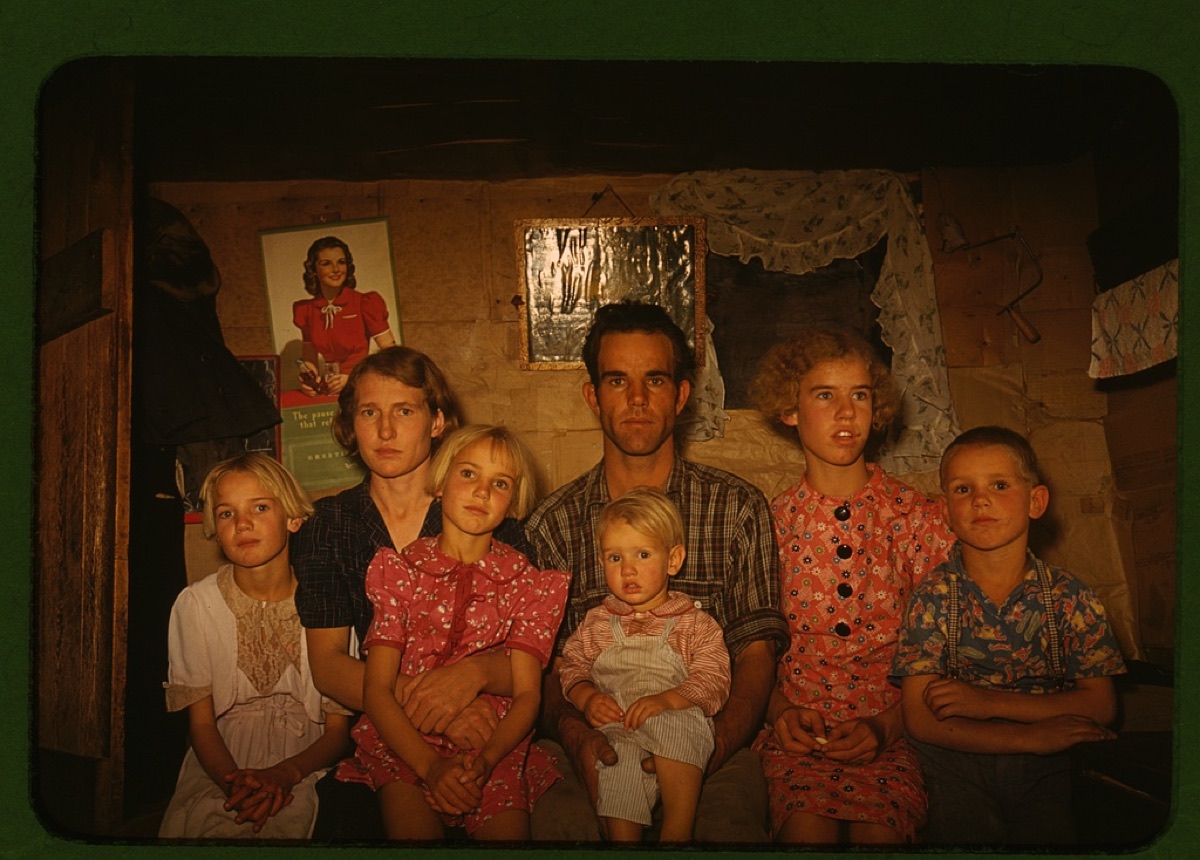
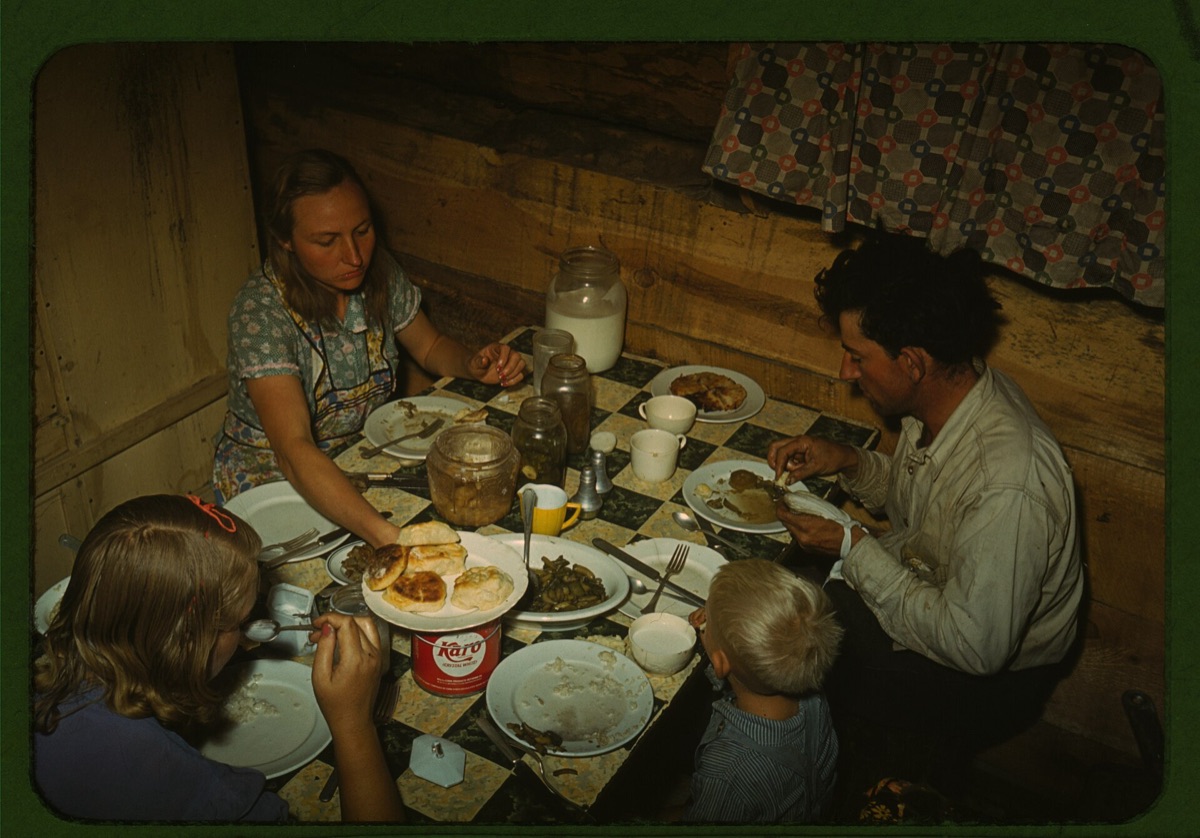
The coat came to Kay in 2019, in a box with the recipe cards and a tin of buttons. It was too small for anybody by then. Nobody could decide what to do with it, so it went back on a nail, this time in Kay's hall, where Leo walked past it every day for a year before he asked whose it was.
That question is the reason this book exists.
— Kay Reed, spoken aloud* * *
Dinner was at one, and anybody who turned up was fed. Margaret laid the table for however many she thought might come and was usually right to within one. The leftovers went home with whoever lived furthest away, wrapped in a tea towel that you were expected to bring back the following Sunday, clean.
A family tree, and an index of every name, so a reader in 2120 can find anyone.
The colophon records who wrote the book and exactly which build this copy is, so a reprint can match it.
This volume was assembled from the words of
Margaret Ellen Doyle · Kay Reed · Anne Doyle Reed · Michael Doyle Reed · Leo Reed
First edition
Build 3 · 2 November 2026
Quarto Classic · core-volume 1.2.0
Stand-in photographs: Russell Lee, 1940, Library of Congress. Public domain.